Private Rijksmuseum Tour
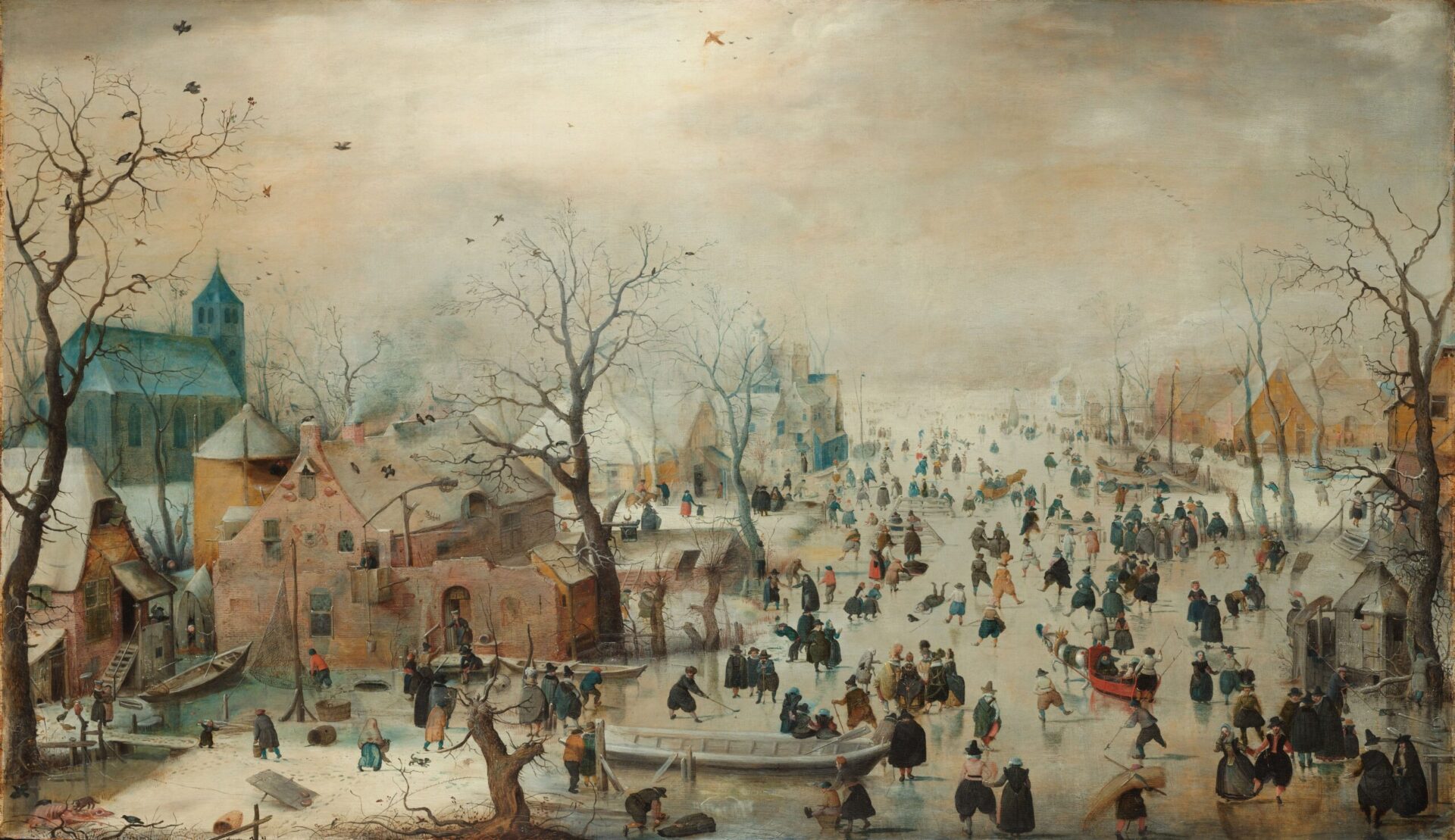
The Rijksmuseum is vast, and without some guidance it’s genuinely easy to spend two hours there and come away feeling vaguely overwhelmed rather than enriched. My tour focuses on the Dutch Golden Age, the extraordinary period in the 1600s when the Dutch Republic was the wealthiest and most powerful trading nation in the world, and the art, objects and stories from that period that the museum does better than anywhere else on earth.
I recommend arriving at 9am if you can. The Gallery of Honour without crowds is a completely different experience from the Gallery of Honour at midday.
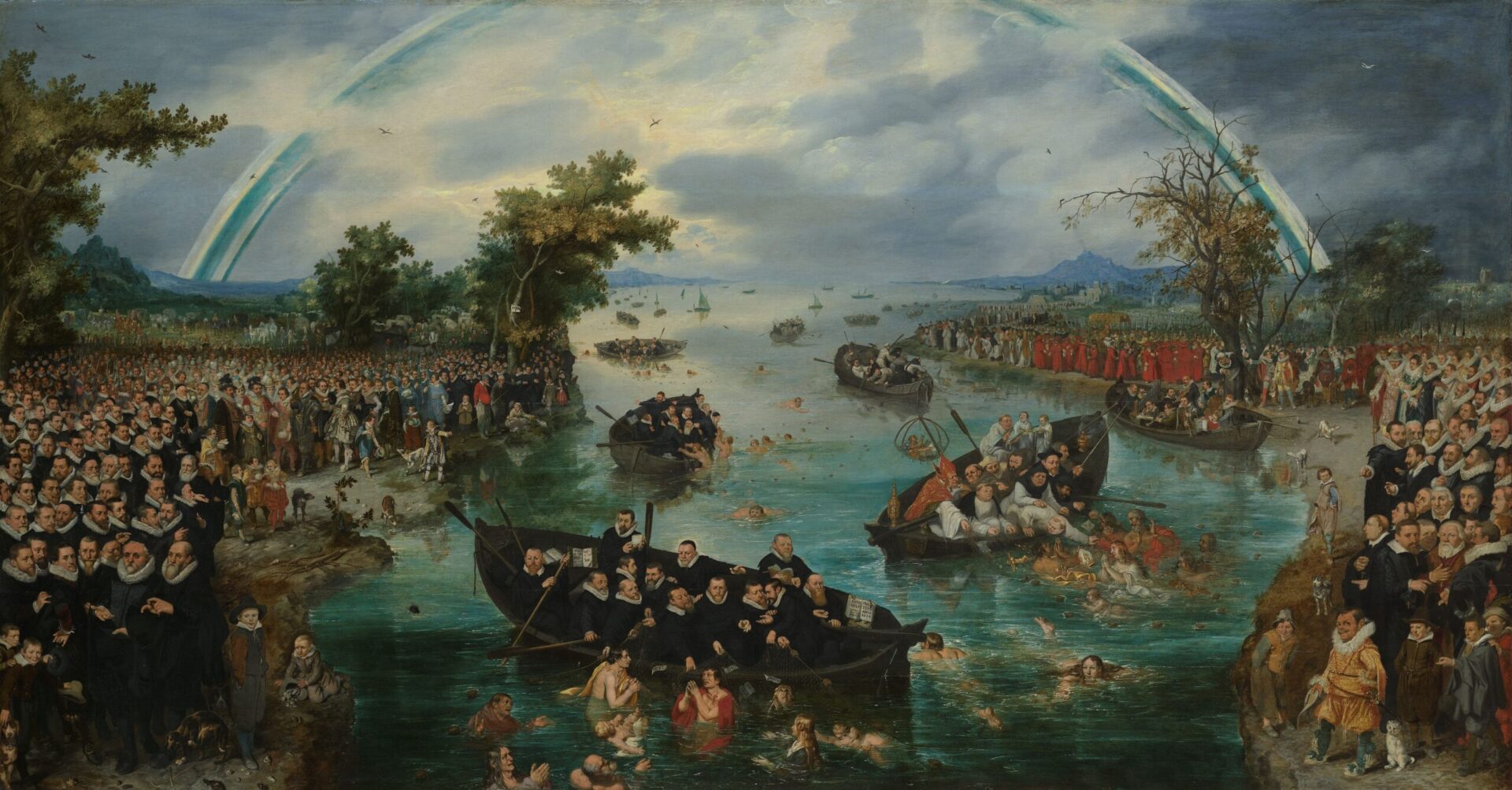
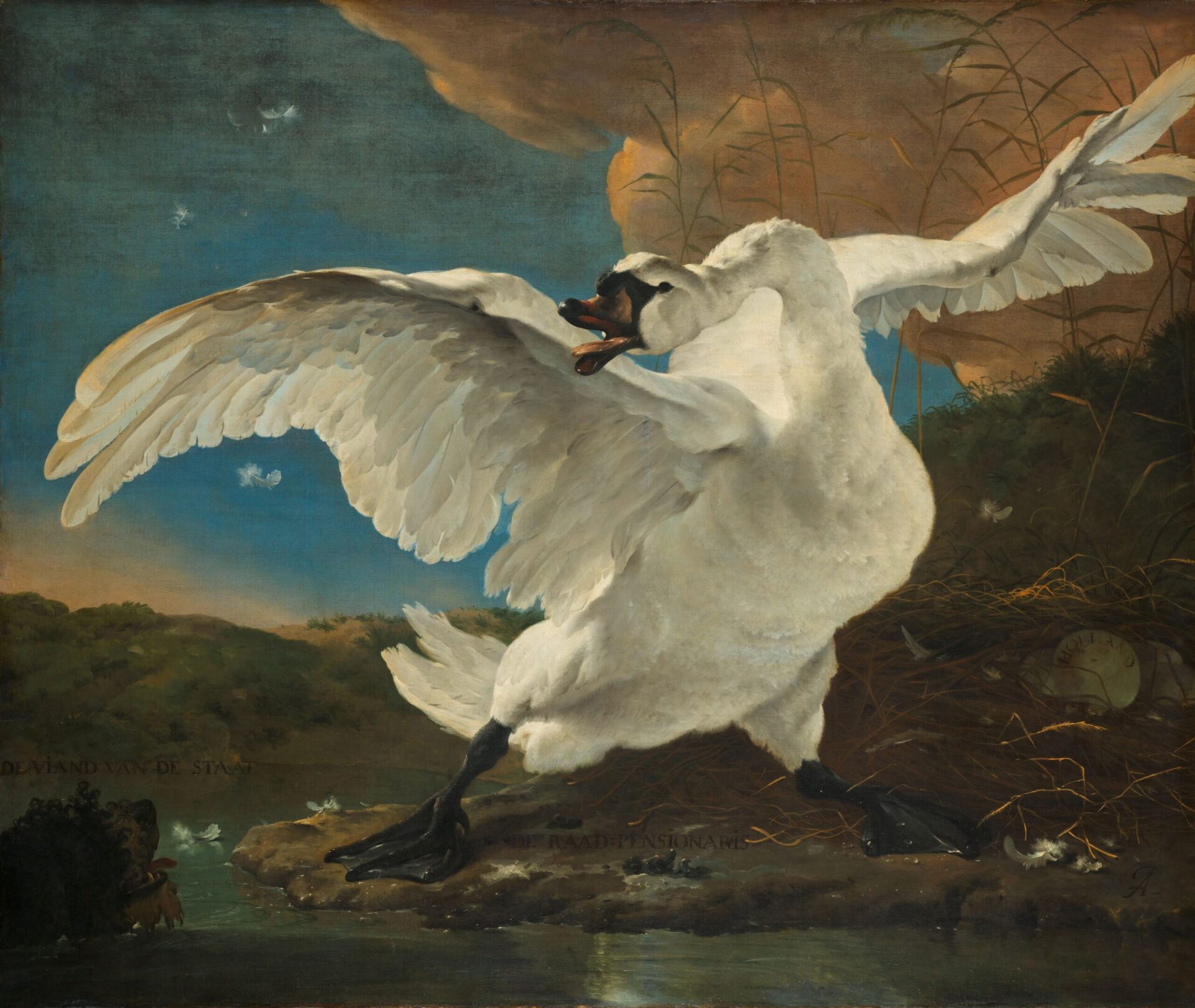
The Rise of the Dutch Republic Before we look at the art I’ll give you the historical context, because the paintings make much more sense once you understand the world that produced them. The Dutch Republic was something genuinely new — a merchant republic that broke from Spain, fought an eighty-year war for independence, and in the process developed a political and cultural identity unlike anything else in Europe. The museum has several large allegorical paintings commissioned to instruct the republic’s citizens and leaders, and once you know what you’re looking at they’re fascinating.
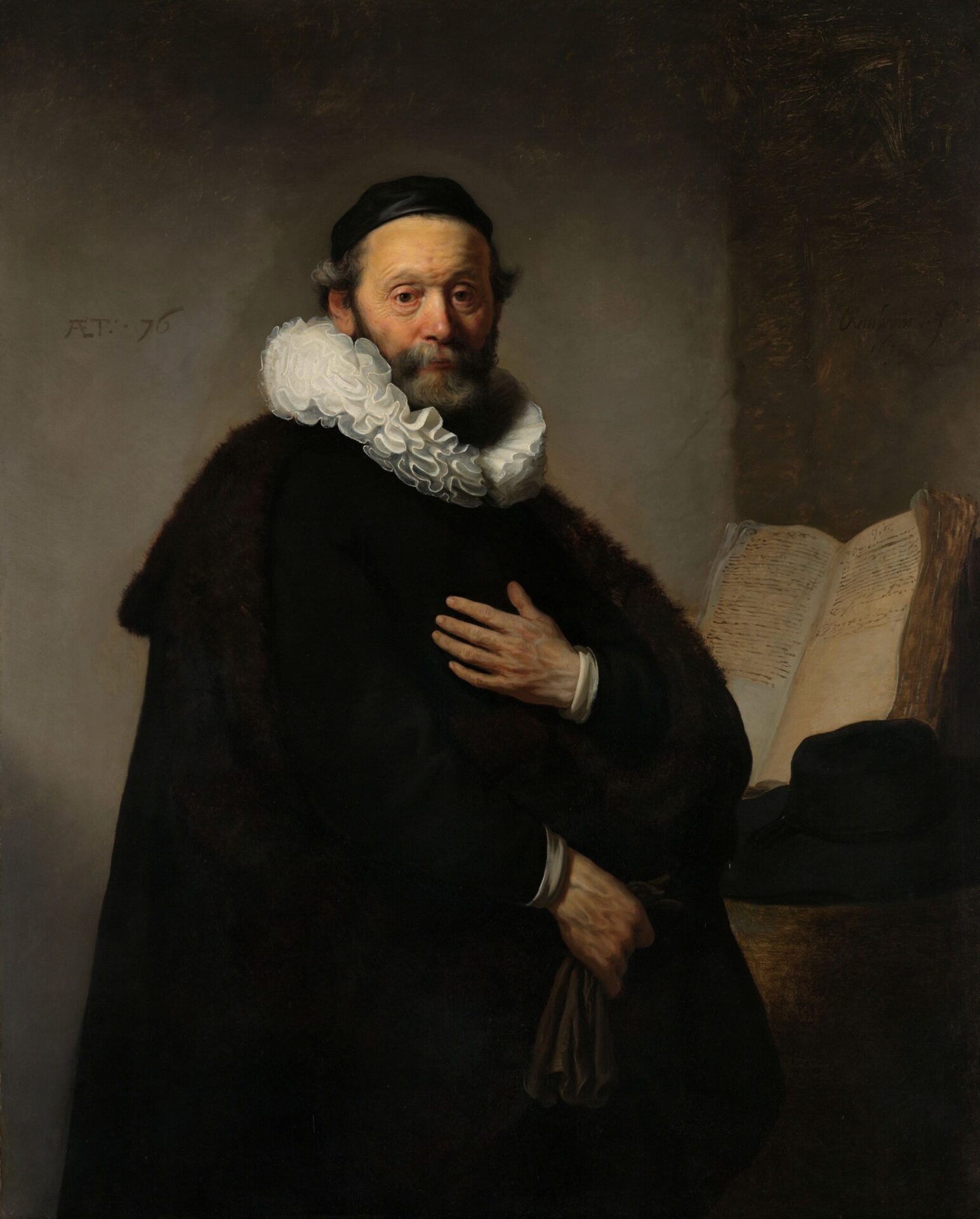
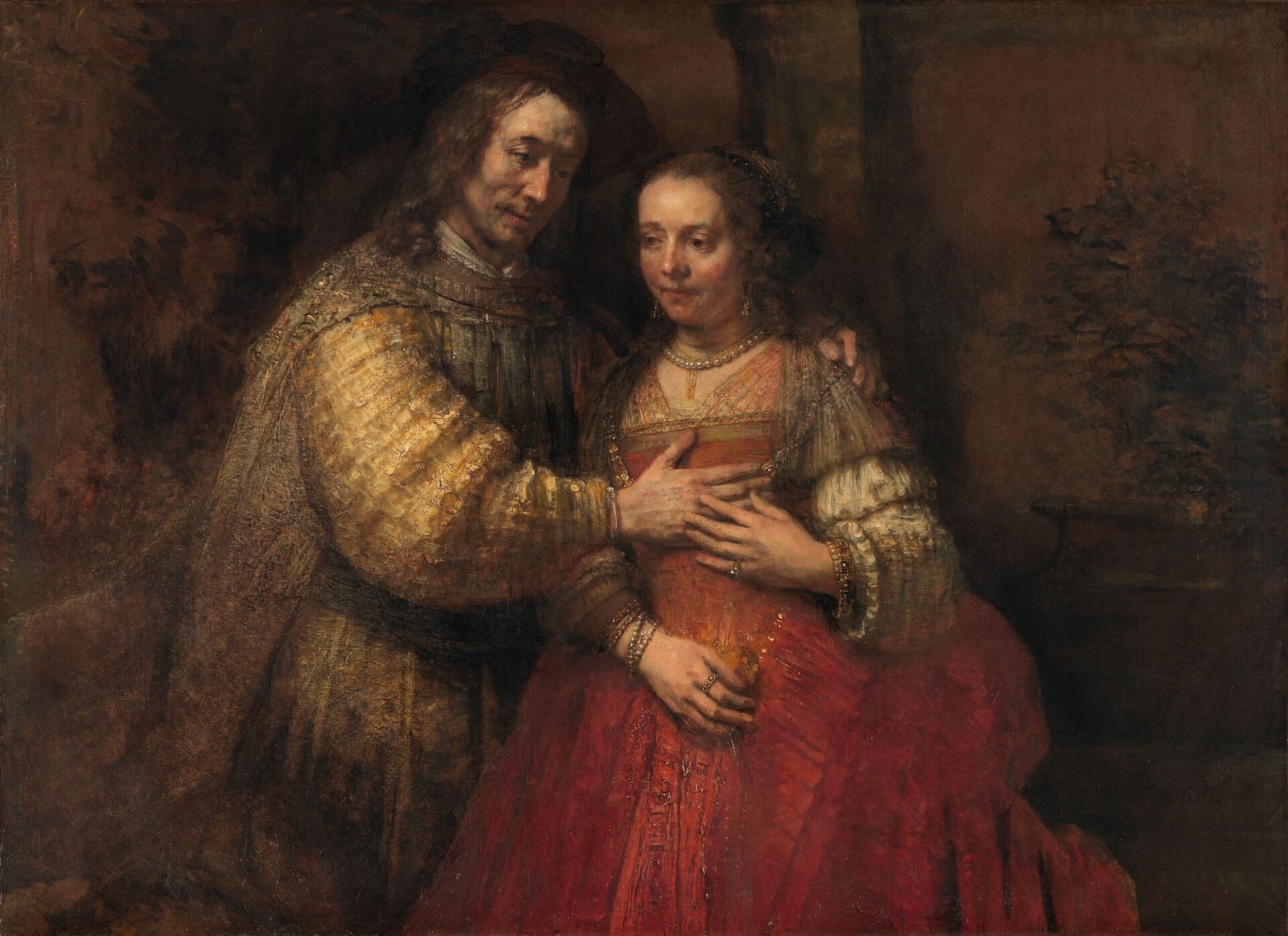
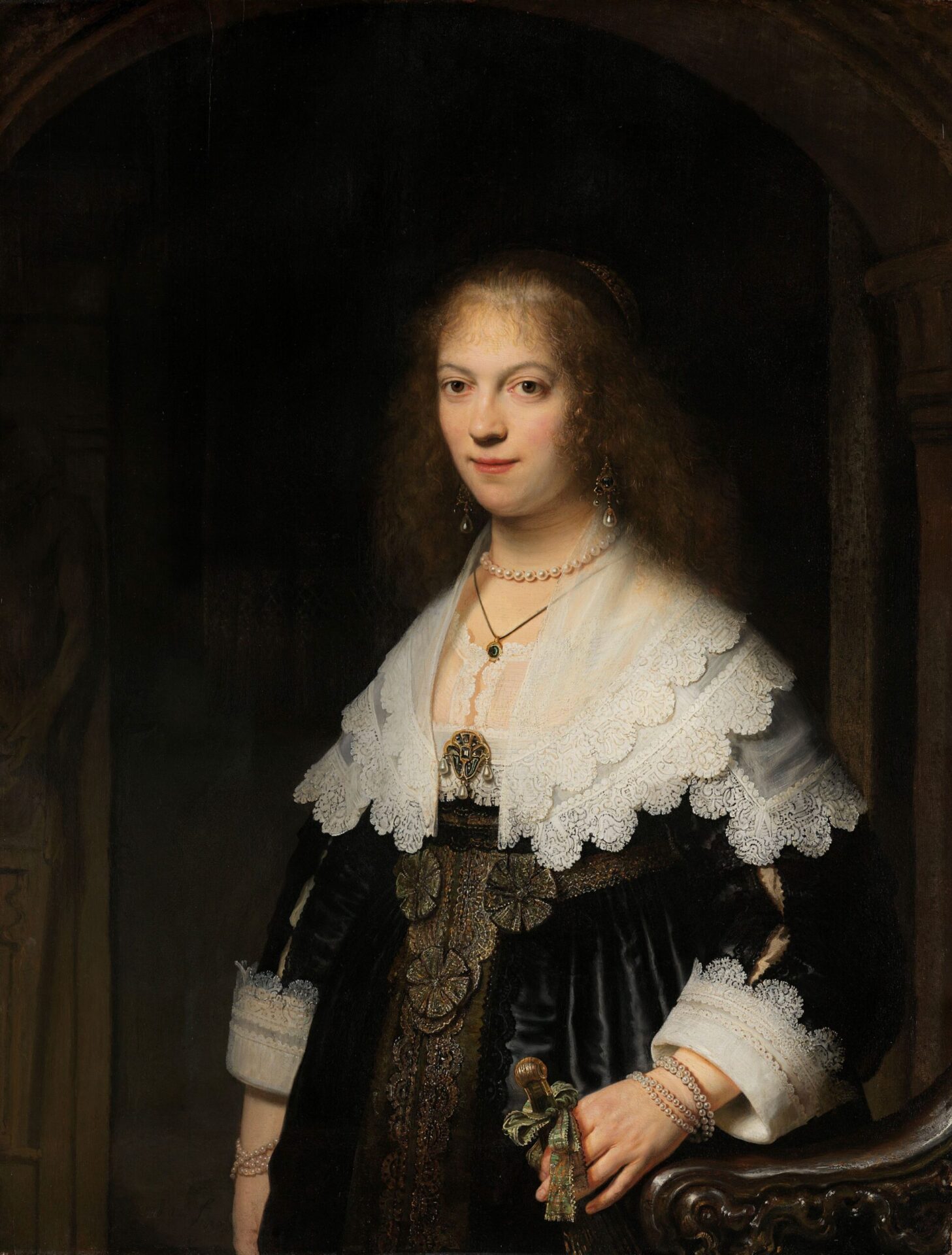
Rembrandt The museum has work from every period of his career, from the tight precise portraits of his early Amsterdam years to the loose, emotionally raw paintings of his later life. Most people know the Night Watch, but the late Rembrandt works are in some ways even more interesting. I’ll trace the arc of his career and explain what changed and why.
The Night Watch It’s enormous, it’s extraordinary, and there’s usually a crowd in front of it. I’ll tell you what’s actually going on in it, which is more complicated than it looks, and point out the details most people walk past.
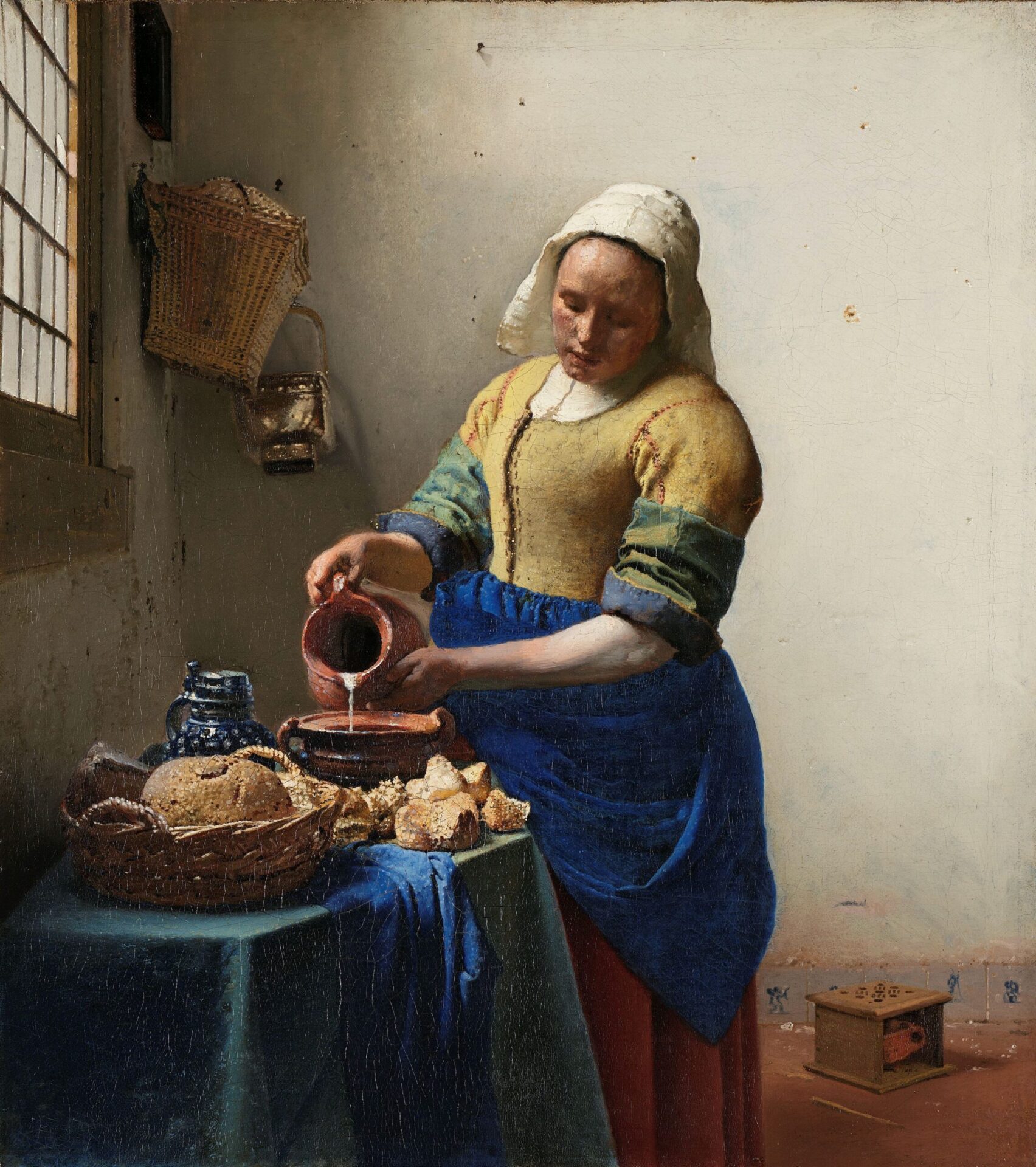
Vermeer Four paintings, all small, all perfect. I’ll explain the symbolism he uses — Vermeer is never just painting a quiet domestic scene, there’s always something else going on — and why his technique was so different from his contemporaries.
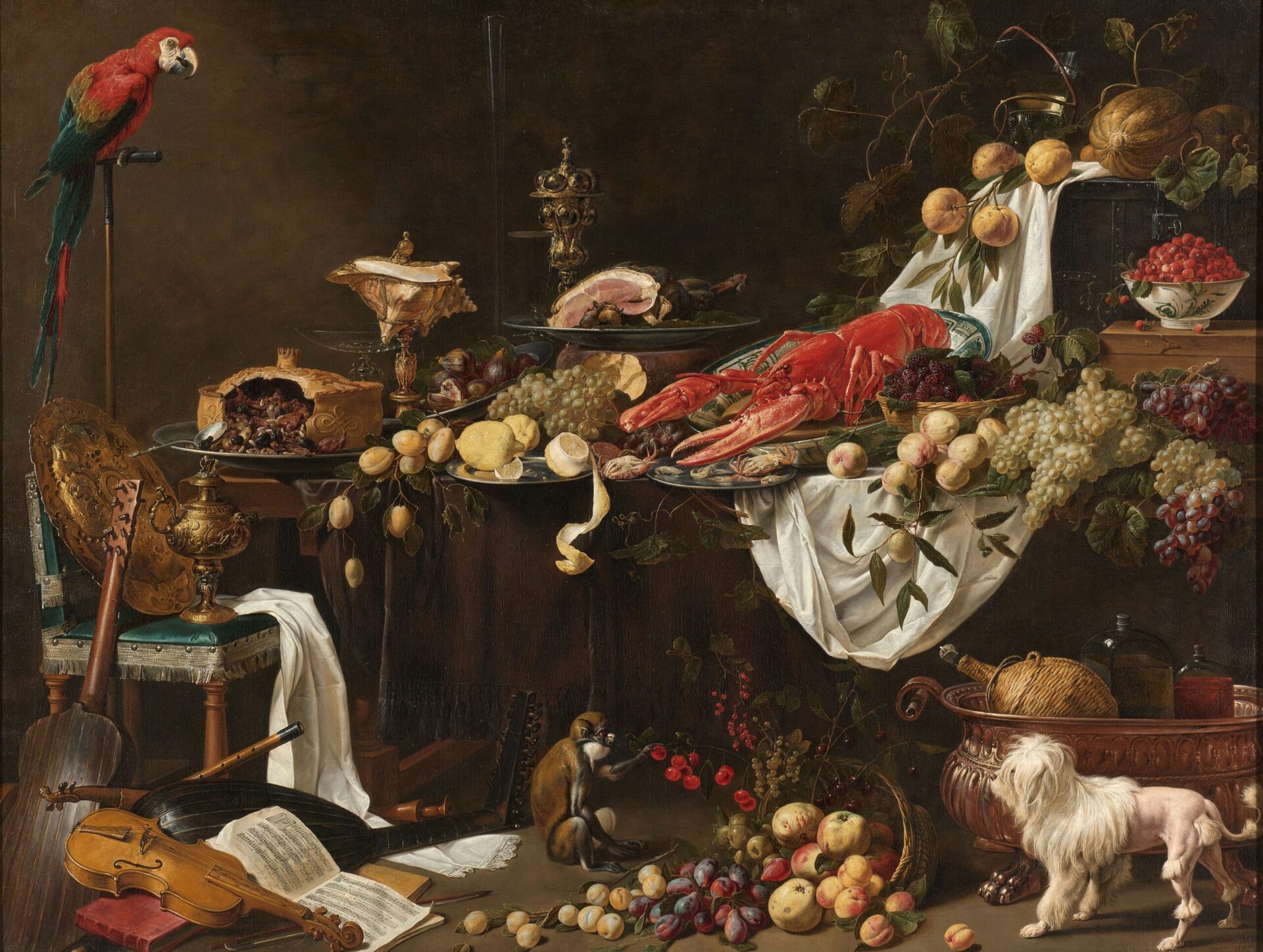
The Decorative Arts This is the part of the tour that tends to surprise people most. Alongside the paintings there’s lavish furniture, tapestries, silverware, intricate Delftware, and two extraordinary dollhouses built by wealthy women of the period. These aren’t toys — they’re incredibly detailed scale models of grand households, built at enormous expense, and they tell you more about domestic life in the Golden Age than almost any painting does.
Naval Conflicts with England One gallery covers the fierce naval wars between the Dutch and the English. The centrepiece is the elaborately carved stern of the Royal Charles, the flagship of the English fleet, which the Dutch captured in a daring raid on the Medway in 1667 and brought home as a trophy. It’s one of the most remarkable objects in the museum and barely anyone knows the story behind it.
William and Mary The tour ends in the late 1600s with the era of William and Mary. Beautiful Delft Blue porcelain, grand furniture influenced by the court of Louis XIV, and the curious paradox of a Dutch republic that was constantly at war with France while enthusiastically adopting French fashion and design.